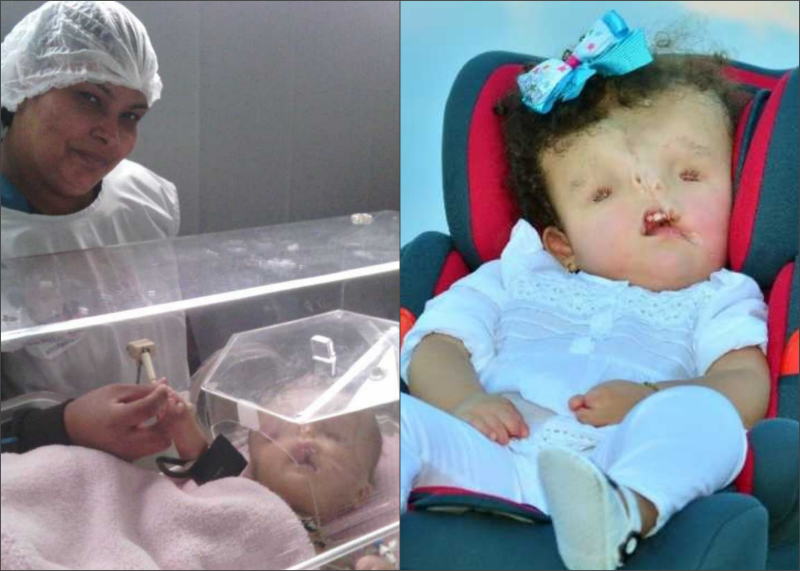
CARACAS, VENEZUELA — What began as a routine prenatal checkup at four months of pregnancy turned into a profound medical journey for a Venezuelan couple when a detailed 3D ultrasound revealed severe fetal structural anomalies.
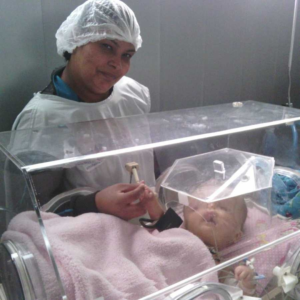
Diagnostic evaluations confirmed that their unborn daughter, Helianny, was affected by Amniotic Band Syndrome (ABS)—a rare congenital condition where fibrous strands of the amniotic sac entangle fetal body parts, constricting blood flow and severely disrupting normal limb, craniofacial, and brain development.
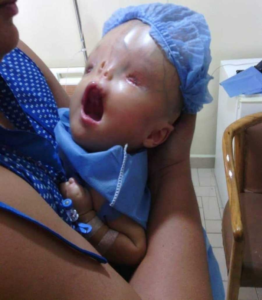
Despite initial dismal prognoses and recommendations to terminate the pregnancy, Helianny’s parents chose to proceed with full clinical care, requesting that her obstetric team treat the high-risk gestation like any other. On August 21, Helianny was delivered via Caesarean section at 39 weeks gestation.
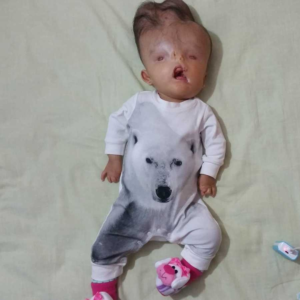
Helianny’s Clinical Profile & Treatment Journey:
- Prenatal Diagnosis ──► Severe Amniotic Band Syndrome (ABS) & Craniofacial Anomalies
- Delivery & Neonatal ──► Delivered C-section at 39 weeks; 13-day neonatal observation
- Surgical Pathway ──► Ventriculoperitoneal (VP) Shunt, Cleft Lip Repair & Clubfoot Correction
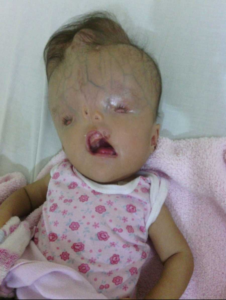
Surgical Interventions and Home Care Protocol
Following a 13-day neonatal observation period, Helianny was discharged home. Because of initial respiratory compromise and airway vulnerability, her family maintained round-the-clock nocturnal monitoring.
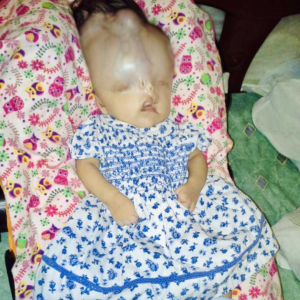
As she grew, a multidisciplinary surgical team executed several corrective procedures:
-
Neurosurgical Intervention: Placement of a ventriculoperitoneal (VP) shunt to manage hydrocephalus and regulate intracranial pressure.
-
Craniofacial & Reconstructive Surgery: Surgical repair of a cleft lip and ongoing evaluations for future craniofacial and facial prosthetic reconstructions.
-
Orthopedic Care: Corrective interventions for clubfoot to improve limb alignment.
While financial constraints have temporarily delayed additional planned reconstructive surgeries, her family remains focused on her physical rehabilitation and milestone progression.
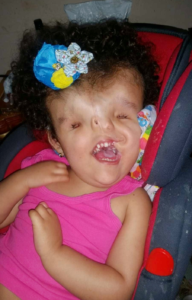
Developmental Progress and Community Advocacy
Now three years old, Helianny is reaching developmental milestones once deemed improbable, recently achieving improved head control through consistent physical therapy. She engages actively with her environment—responding to music, auditory stimuli, and expressing affection with her family.
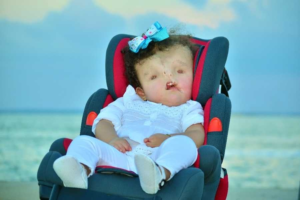
Despite facing public scrutiny and financial strain, her parents advocate passionately for disability inclusion and acceptance, ensuring Helianny participates fully in family outings and community celebrations.
“People may see her differences first, but we see our beautiful little girl,” her mother shared. “She has shown us that every child deserves a chance, and every life has value.”