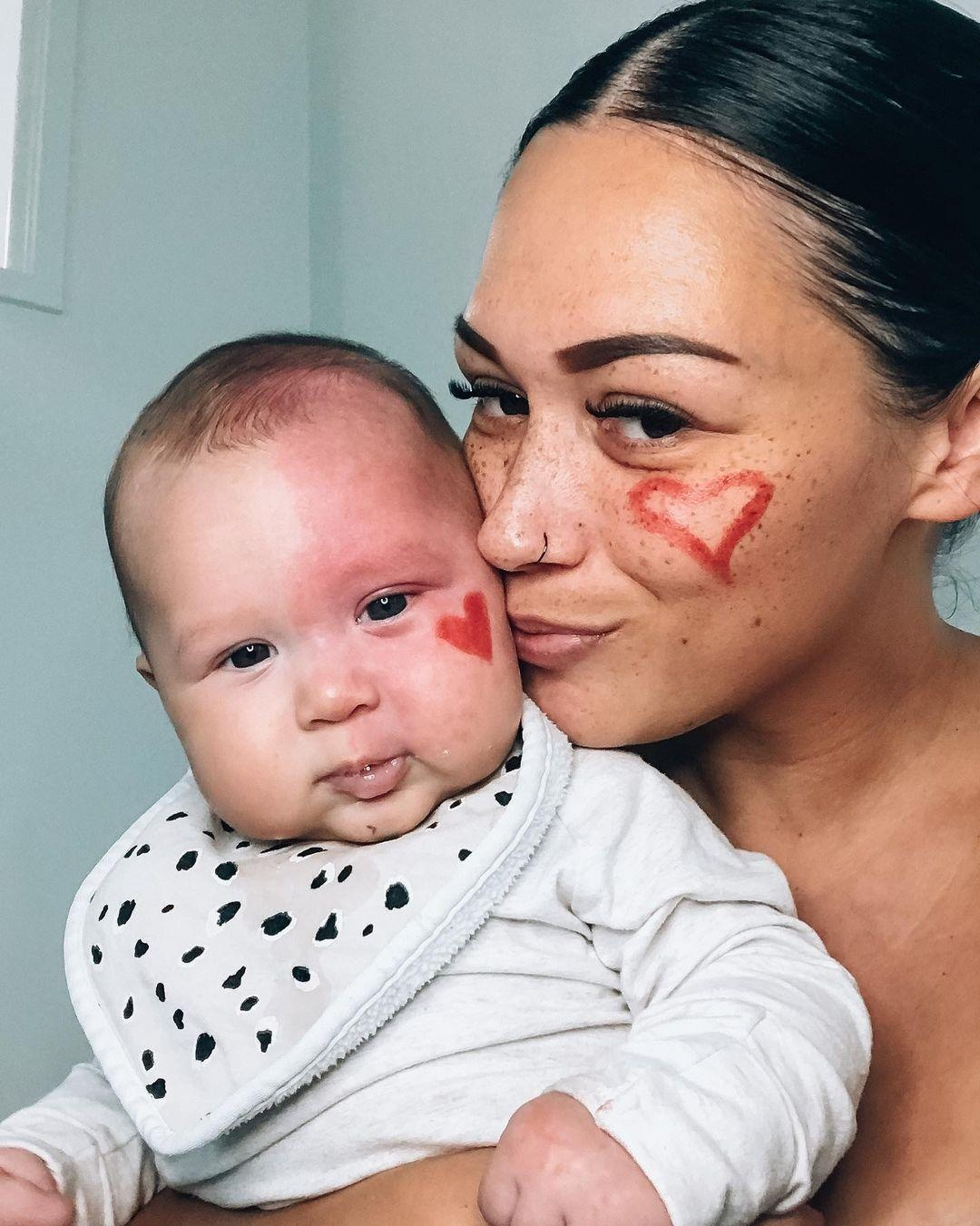
SPECIAL REPORT: HEALTHCARE & ADVOCACY — For Brooke and her partner, Kewene, watching their infant son, Kingsley, undergo his very first laser therapy session was an emotionally taxing milestone. Hearing her baby cry during the brief procedure proved so overwhelming that Brooke had to briefly step outside the treatment room while Kewene remained at Kingsley’s side.
“The treatment only lasts a couple of minutes,” Brooke recalled. “But as a parent, it feels much longer.”
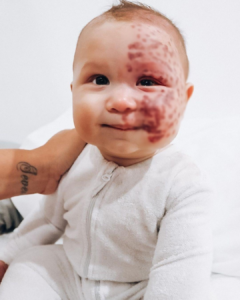
Kingsley was born with a prominent port-wine stain extending across the left side of his face. Initially presumed to be a benign birthmark, post-natal medical screenings—including comprehensive brain scans and ophthalmological examinations—revealed a far more complex reality.
Specialists diagnosed Kingsley with Sturge-Weber syndrome (SWS), an extremely rare congenital neurological and dermatological disorder characterized by abnormal vascular development affecting the skin, brain, and eyes.
A Medical Imperative Beyond Cosmetics
While the facial port-wine stain is the most visible manifestation of Sturge-Weber syndrome, physicians cautioned that the condition carries significant risks of neurological complications and infantile glaucoma. Indeed, early diagnostic checks confirmed elevated pressure in Kingsley’s left eye, necessitating vigilant, ongoing clinical monitoring.
Seeking the best possible care, Brooke joined support groups and consulted medical experts who advised initiating pediatric laser therapy during infancy to manage the vascular marking and protect the skin.
Despite the emotional difficulty of witnessing the treatments, the family soon observed positive results as the port-wine stain gradually lightened following each brief session.
Facing Public Criticism with Education and Pride
Hoping to offer comfort to other families navigating rare pediatric diagnoses, Brooke began documenting Kingsley’s medical journey on social media. While the platform drew an outpouring of global encouragement, it also attracted uninformed criticism from commentators who mistakenly assumed the laser procedures were performed solely for aesthetic reasons.
Brooke emphasized that such negative comments overlooked the critical medical rationale behind their decisions, which were entirely directed by specialist medical guidance to safeguard Kingsley’s health.
Above all, Brooke remains fiercely committed to ensuring that Kingsley grows up understanding that his identity is not defined by his physical appearance. Her primary goal is to foster his self-confidence, self-worth, and pride.
Promoting Visibility and Global Inclusion
As Kingsley’s story gained international attention, messages arrived from parents worldwide who drew strength and hope from his journey.
A major milestone in representation occurred when Kmart Australia featured Kingsley in a national children’s clothing campaign—a powerful moment celebrating diversity, visibility, and inclusion for children with visible physical differences.
Today, Kingsley continues to receive specialized medical care and routine laser treatments as part of his long-term management plan. By continuing to share his progress, Brooke and Kewene aim to advance public awareness of Sturge-Weber syndrome while championing a message of universal acceptance, empathy, and inclusion for all children.