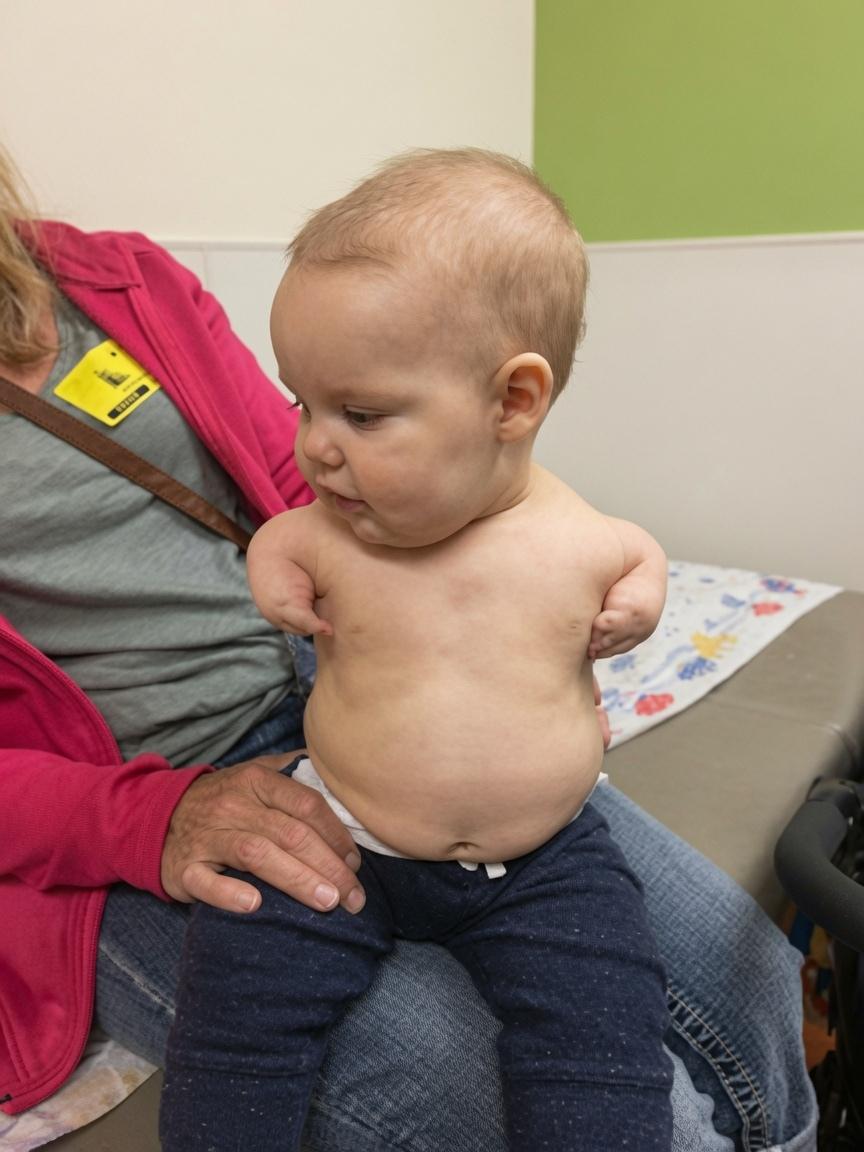
MEDICAL REPORT & FEATURE — Phocomelia remains one of the world’s rarest congenital conditions, characterized by severe limb malformations present from birth. Although exceptionally uncommon, the condition occupies a critical place in modern medical history and continues to shape the lives of individuals, families, and specialized healthcare teams today.
Often colloquially referred to as “seal limb,” phocomelia occurs when key structural sections of a limb fail to develop during early fetal gestation. In many instances, the hands are attached almost directly to the shoulders due to the underdevelopment of the upper and lower arm structures. The severity and expression of the condition vary significantly between individuals, frequently affecting hand development and the remaining limb segments.

The Historical Connection to Thalidomide
Phocomelia gained international prominence during the late 1950s and early 1960s, following a sudden, global rise in infants born with limb differences. Epidemiologists traced the surge to thalidomide, a drug widely prescribed in several nations during that era to treat morning sickness in pregnant women.
Subsequent medical research established that thalidomide exposure during the critical early stages of embryonic development directly disrupted limb morphogenesis. Following the discovery of this causal link, thalidomide was immediately withdrawn from obstetric use, resulting in a dramatic, worldwide decline in new cases.
Etiology and Differential Diagnosis Today
Today, the vast majority of individuals born with phocomelia have no historical connection to thalidomide. Medical geneticists explain that contemporary cases typically arise spontaneously through random genetic mutations during fetal development. Other cases are linked to rare inherited autosomal recessive disorders, such as Roberts syndrome.
Pediatric orthopedic specialists emphasize that phocomelia must be carefully differentiated from other congenital limb anomalies, such as radial or ulnar longitudinal deficiencies. Because each condition alters limb morphology through distinct developmental mechanisms, thorough diagnostic evaluation is essential to establish an accurate diagnosis and tailor an effective care plan.
Adaptation, Rehabilitation, and Quality of Life
Children growing up with phocomelia frequently demonstrate extraordinary adaptability in mastering daily living activities. Routine tasks—such as feeding, dressing, reaching, and writing—often involve specialized adaptive equipment or alternative motor strategies. Guided by occupational therapists and physical rehabilitation teams, children develop functional skills that foster long-term personal independence.
In many instances, individuals learn to utilize their feet to write, paint, operate digital devices, and eat—showcasing remarkable neurological and physical adaptability. Support networks across families, educational institutions, and local communities play a vital role in building self-confidence and promoting full social inclusion.
Surgical intervention is approached with caution and is not indicated for every patient. When recommended, procedures focus primarily on enhancing physical comfort, joint stability, or functional utility, rather than attempting full anatomical reconstruction.
Looking Ahead
While phocomelia remains exceptionally rare, ongoing advancements in physical rehabilitation, assistive technology, and multidisciplinary care continue to expand possibilities for those living with the condition. With early intervention, proper resources, and community encouragement, individuals with phocomelia continue to lead active, independent, and fulfilling lives.