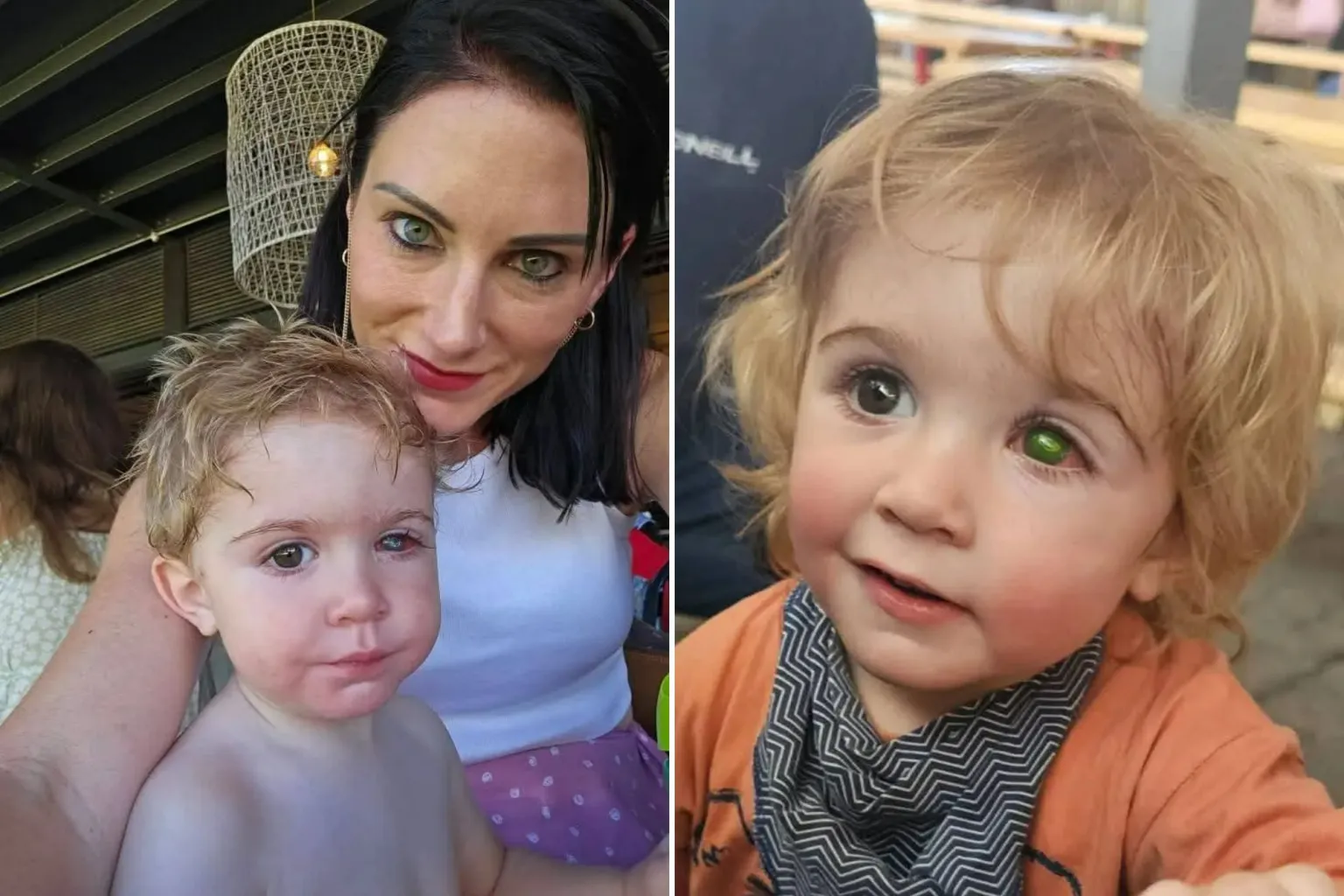
SPECIAL REPORT: HEALTHCARE & ADVOCACY — What initially appeared to be a routine, minor eye infection unexpectedly developed into a complex medical trial for two-year-old Juwan and his family.
The toddler is currently receiving specialized ophthalmological care after contracting a rare, severe ocular infection caused by the herpes simplex virus (HSV)—the same pathogen most commonly responsible for oral cold sores.
His mother, Michelle Saaiman, explained that the family initially assumed Juwan was experiencing standard conjunctivitis. However, despite receiving targeted antibiotic therapies, the inflammation progressively deteriorated, compelling them to seek secondary specialist evaluations.
A Devastating Diagnosis and Ongoing Complexities
Specialists subsequently diagnosed Juwan with ocular herpes, a rare clinical complication that occurs when HSV infects the cornea. By the time the virus was accurately identified, the infection had inflicted extensive corneal damage, resulting in permanent vision loss in his left eye.
According to his family, the viral infection induced severe localized dryness and caused a structural perforation in the cornea, generating persistent complications that necessitate long-term clinical management.
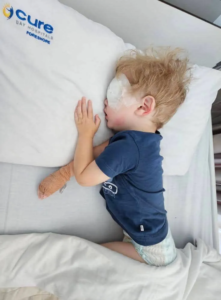
To date, Juwan has undergone several complex procedures, including surgery utilizing an amniotic membrane graft to promote healing. His surgical team is now organizing additional restorative interventions, including a corneal nerve transplant, with the ultimate goal of rendering him a viable candidate for a full corneal transplant in the future.
Michelle admitted that her family never anticipated that a virus so widely associated with benign cold sores could trigger such devastating ocular complications in a young child.
Public Health Awareness and Prevention
Pediatric healthcare experts emphasize that HSV is exceptionally common and primarily transmitted through direct, close personal contact—such as kissing or close physical contact—especially when an adult has an active cold sore lesion. While the virus typically manifests as mild skin or lip lesions in adults, it can occasionally cause severe, sight-threatening illness in infants and young children whose immune systems are still developing.
To mitigate these preventable risks, medical professionals strongly urge adults to observe strict hygiene protocols:
-
Avoid physical contact: Refrain from kissing infants or young children when experiencing an active cold sore or premonitory tingling sensations.
-
Practice hand hygiene: Wash hands thoroughly with soap and water prior to touching or holding young children.
By sharing Juwan’s medical journey, his parents hope to raise public awareness about these simple yet critical precautions, empowering other families to safeguard their children against preventable viral complications.
Despite the demanding schedule of procedures and treatments, Juwan continues to face each milestone with inspiring courage, supported by his loving family and dedicated medical specialists. His ongoing story serves as a poignant reminder that heightened health awareness can play a vital role in protecting a child’s future.