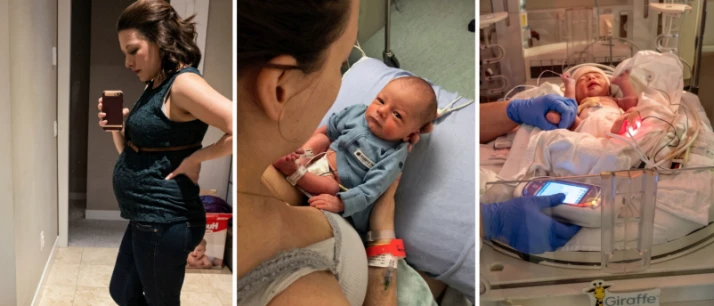
For one mother already managing complex pre-existing conditions, what should have been a routine second pregnancy quickly turned into a high-stakes struggle for survival.
Confronted with the dual challenges of underlying Graves’ disease and a previous pregnancy history of intrauterine growth restriction (IUGR), her second pregnancy required rigorous high-risk maternal-fetal monitoring from the outset.
By 34 weeks, physicians placed her on strict bed rest, utilizing frequent non-stress tests and diagnostic ultrasounds to track fetal development. However, during this period of close observation, the mother detected a subtle shift in her baby’s movement patterns and sensed that fetal growth had plateaued.
Trusting her physical intuition, she requested an additional diagnostic ultrasound—a decisive move that clinical outcomes suggest saved both her and her baby’s lives.
Diagnosis of Severe HELLP Syndrome
The requested scan confirmed that the fetal IUGR had acutely escalated, prompting obstetricians to initiate immediate labor induction.
However, during active labor, the mother’s condition deteriorated rapidly. Her blood pressure spiked to a critical level of 254/137 mmHg, signaling the onset of HELLP syndrome—an extremely rare, life-threatening obstetric complication characterized by:
-
Hemolysis (the breakdown of red blood cells)
-
Elevated Liver enzymes (indicating hepatic stress or damage)
-
Low Platelet counts (impairing blood clotting ability)
Severe HELLP syndrome carries significant risks of maternal acute liver rupture, renal failure, stroke, disseminated intravascular coagulation (DIC), and fetal demise.
High-Stakes Emergency Surgery
Compounding the medical complexity, the family requested blood-sparing protocols without the use of blood transfusions due to their religious beliefs, requiring the surgical and anesthesiology teams to execute meticulous fluid and surgical management.
Recognizing the imminent danger to both patient and fetus, the medical team executed an emergency cesarean section.
At 1:08 a.m., baby Sullivan was successfully delivered alive and healthy, defying the adverse intra-uterine conditions.
HELLP Syndrome Risk Profile:
– Maternal Risks: Severe Hypertension, Hepatic Rupture, Renal Failure, DIC, Stroke
– Fetal Risks: Intrauterine Growth Restriction (IUGR), Placental Abruption, Prematurity
Following the delivery, intensive care teams focused on stabilizing the mother’s blood pressure and monitoring her hepatic and renal functions. Despite the extreme physiological strain, she avoided irreversible organ damage and completed a multi-week post-operative recovery supported by her family and medical staff.
Advocacy for Maternal Self-Advocacy
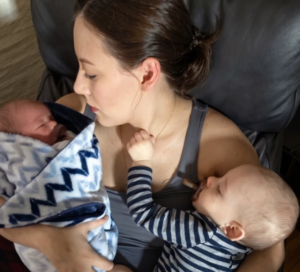
Having subsequently overcome additional health challenges, including surviving cancer, the mother now uses her story to advocate for heightened awareness around maternal health and self-advocacy.
Obstetric experts continually emphasize that pregnant individuals who notice changes in fetal movement, severe upper abdominal pain, unusual swelling, or persistent headaches should seek immediate medical evaluation.
Her journey serves as a powerful testament to the critical role of maternal intuition, prompt medical intervention, and patient advocacy during high-risk pregnancy complications.